
How is the IDF Preparing Humanitarian Efforts for Winter in Gaza?
 06.11.26
 0
As winter approaches, the IDF and COGAT (Coordinator of Government Activities in the Territories) are preparing to fulfill their humanitarian obligations and are working to improve the humanitarian response in Gaza ahead of the cold months.
COGAT is recently advancing a proactive ‘winterization’ plan, in coordination with the UN, international organizations and donor countries. The plan includes practical measures to improve winter preparedness, such as the entry of tents, shelter supplies, blankets and winter clothing into Gaza. Alongside these efforts, projects in the water and sanitation sectors are advancing, and the medical response is being strengthened to prepare for the coming months.
The results on the ground speak for themselves. The humanitarian situation in Gaza ahead of winter is the best it has been since the beginning of the war, in terms of food availability, living conditions and water and sanitation infrastructure.
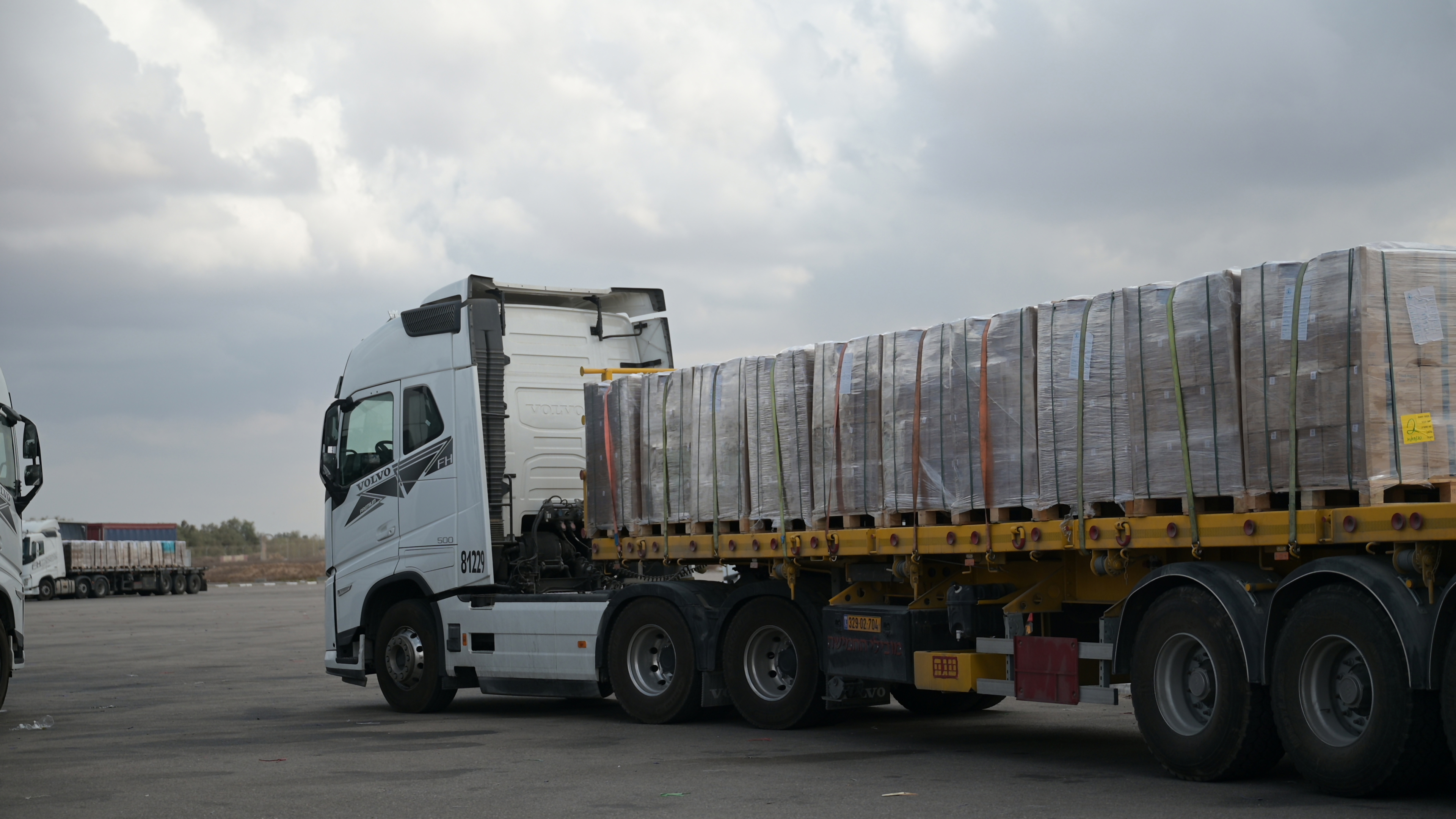
Since implementation began, over 85,000 tents and more than 8,000 trucks carrying tarpaulins, blankets, winter clothing and additional supplies have entered Gaza. Additionally, over 820 requests covering tens of thousands of trucks carrying winter-specific supplies for shelter, water, sanitation and medical purposes were approved.
For roughly half of the approved requests, the equipment has not yet been brought into Gaza, partly due to logistical and budgetary difficulties unrelated to Israel and the IDF.
Additional Humanitarian Aid Provided in Gaza
COGAT is also assisting in advancing projects for sewage removal and improvements to water distribution networks. As part of these efforts, the entry of 12 sewage vacuum trucks was approved, sewage removal operations were carried out and repairs and maintenance work were performed on water networks throughout Gaza.
In the medical sector, COGAT has approved the entry of 7,500 vaccine doses for UNICEF and three mobile clinics for IMC. In addition, large quantities of medicines, medical equipment, fuel and engine oil have entered Gaza for hospitals and medical facilities.
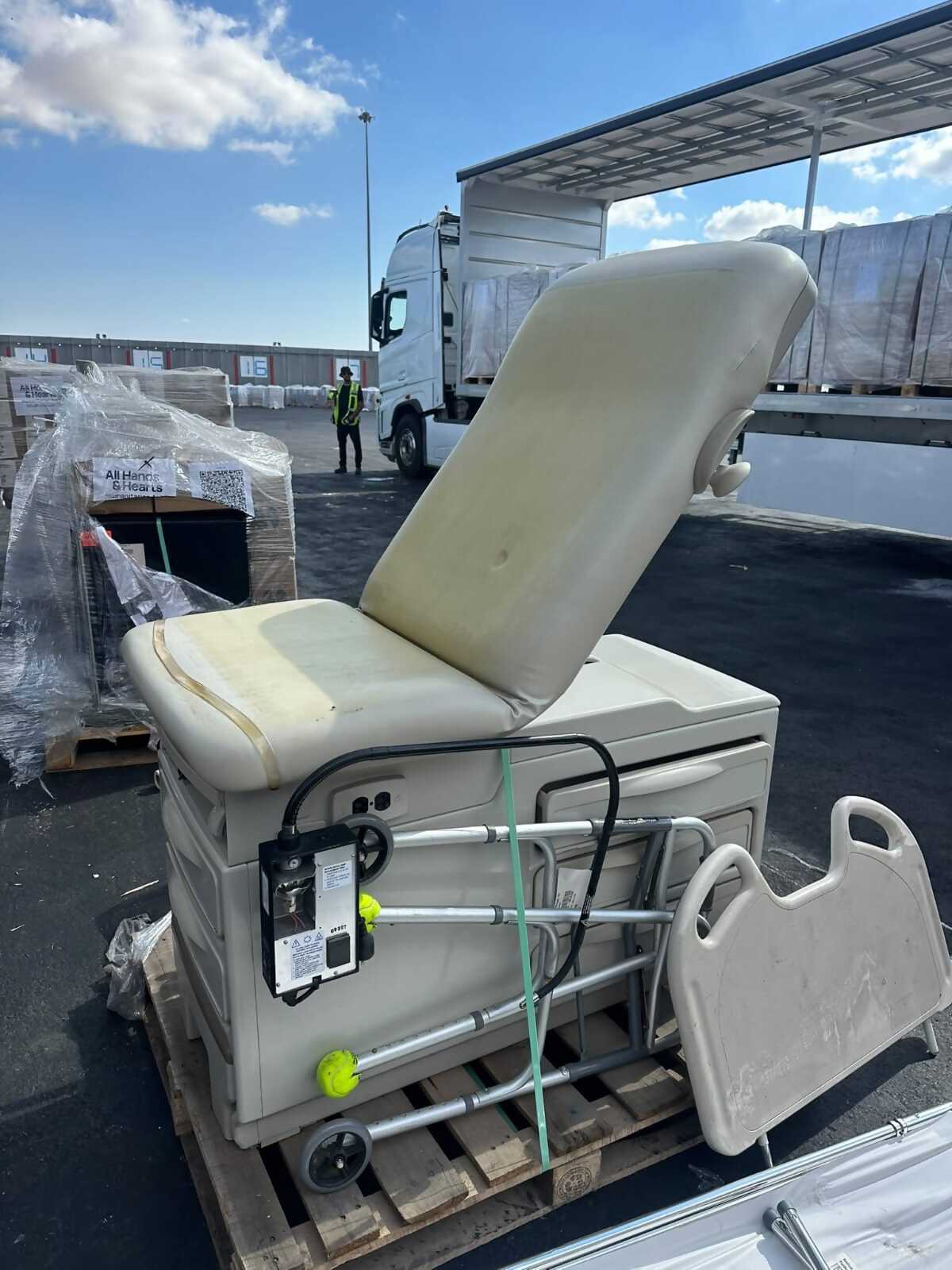
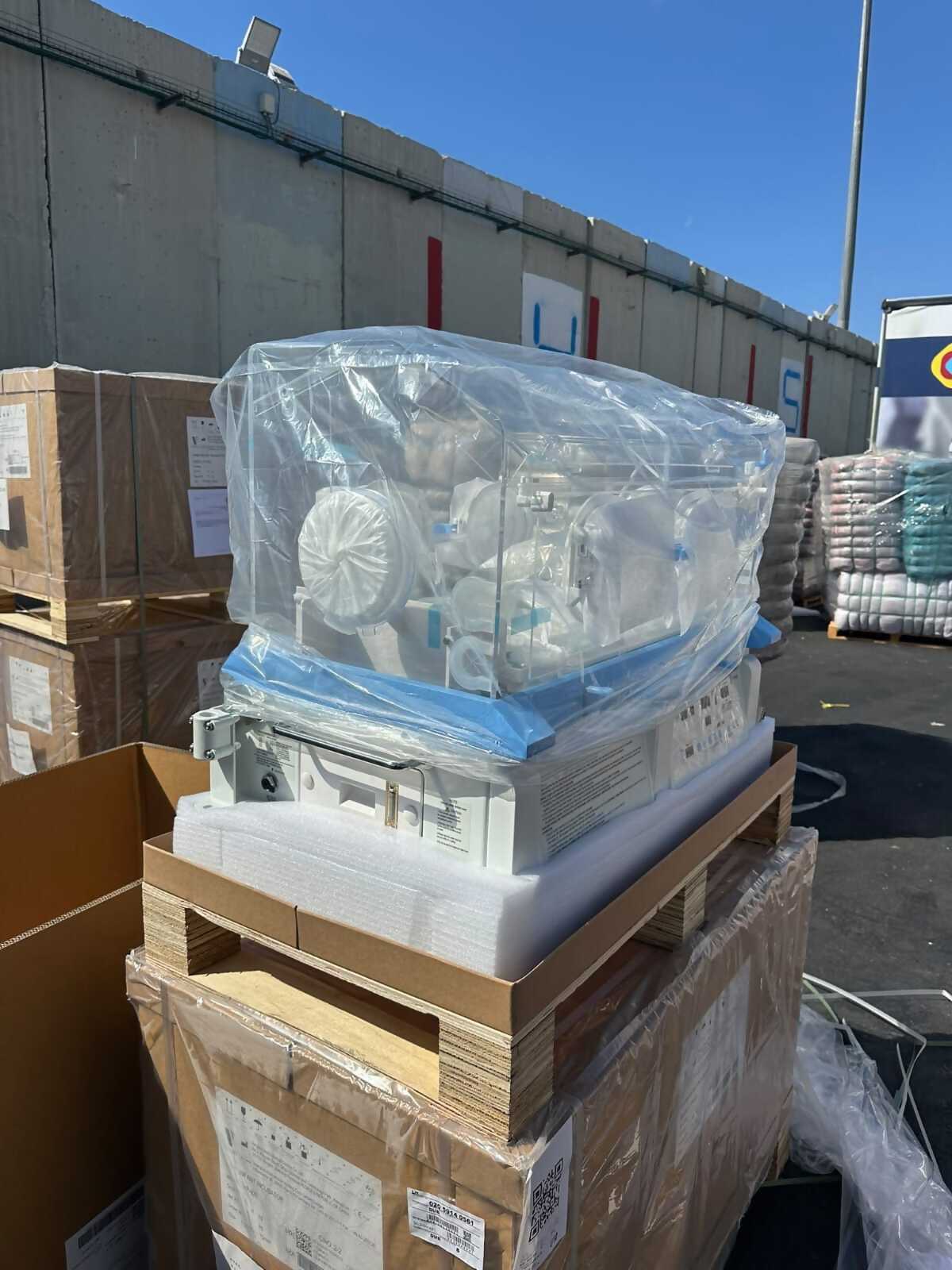
Medical supplies at the Kerem Shalom crossing
Throughout the ceasefire, humanitarian aid has entered Gaza in quantities that significantly exceeded international humanitarian requirements, leading to substantial improvements in food security, the medical response and WASH infrastructure.
Since October 2025, more than 2.4 million tons of food have entered Gaza, through the entry of hundreds of trucks per day. The total water supply also exceeds 60 liters per person per day, and is facilitated through four pipelines from Israel and Egypt, in addition to local declination plants and water wells.
In addition, more than 26,000 tons of medical equipment have entered Gaza over the past year. There are 20 permanent hospitals, 15 field hospitals, 105 medical stations and 153 primary healthcare clinics in operation in Gaza.
The IDF and COGAT are committed to fulfilling its humanitarian obligations and are proactively working to improve the humanitarian response in Gaza ahead of the winter season. Hamas' refusal to disarm in violation of the ceasefire, alongside its continued exploitation of humanitarian aid and the civilian environment for terrorist purposes, remains the primary obstacle to progress.
Claims that IDF policy is the main reason why there are occasional shortages of humanitarian supply in Gaza divert attention from Hamas' continued responsibility for obstructing progress and exploiting humanitarian aid for terrorist purposes.
Frequently Asked Questions
What is included in Gaza's winterization plan?
The IDF winterization plan includes the entry of tents, tarpaulins, blankets, winter clothing and other shelter supplies. It also covers improvements to water and sanitation infrastructure and preparations to strengthen medical services.
How many tents have entered Gaza ahead of winter?
More than 85,000 tents have entered Gaza since implementation of the winterization plan began.
What winter supplies have entered Gaza?
More than 8,000 trucks carrying tarpaulins, blankets, winter clothing and additional supplies have entered Gaza. More than 820 requests covering tens of thousands of trucks carrying winter-specific supplies have also been approved.
What measures are being taken to improve water and sanitation in Gaza?
Measures include sewage removal operations, approval for eight sewage vacuum trucks, and repairs and maintenance to water distribution networks. Water is supplied through four pipelines from Israel and Egypt, with total supply exceeding 60 liters per person per day.
What medical assistance is being provided in Gaza?
Assistance includes approval for 7,500 vaccine doses for UNICEF and three mobile clinics for IMC. Medicines, medical equipment, fuel and engine oil have also entered Gaza for hospitals and medical facilities.
