
Inside the Simulator That Helped Prepare the IDF’s Operation in Iran
When Operation Roaring Lion commenced, the IAF’s air traffic controllers knew everything they needed to know and do, thanks to the air traffic control simulator in Ramat David Airbase.
 05.07.26
 0
0
Months before approximately 200 fighter jets completed the largest ever military flyover in the history of the Israeli Air Force, a different battle was already taking place in the IDF’s Ramat David base. Not in the skies, but inside a room filled with giant screens and computer-generated aircraft.
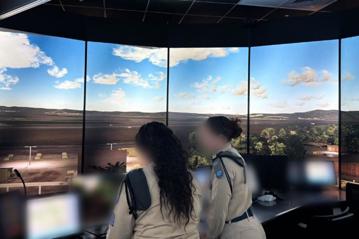
Israel’s top air traffic controllers came to this base and ran every possible drill, conducted every check, and thought through every emergency scenario until every move of the opening flyover had been examined and was ready for action.
Preparing for Long-Range Combat Missions
What begins as a hypothetical scenario can – and will – become operational reality.
This philosophy is embedded in the minds of the soldiers who operate the Air Traffic Control Simulator, which prepared air traffic controllers for the IDF’s most intense combat experiences of the past three years of war.
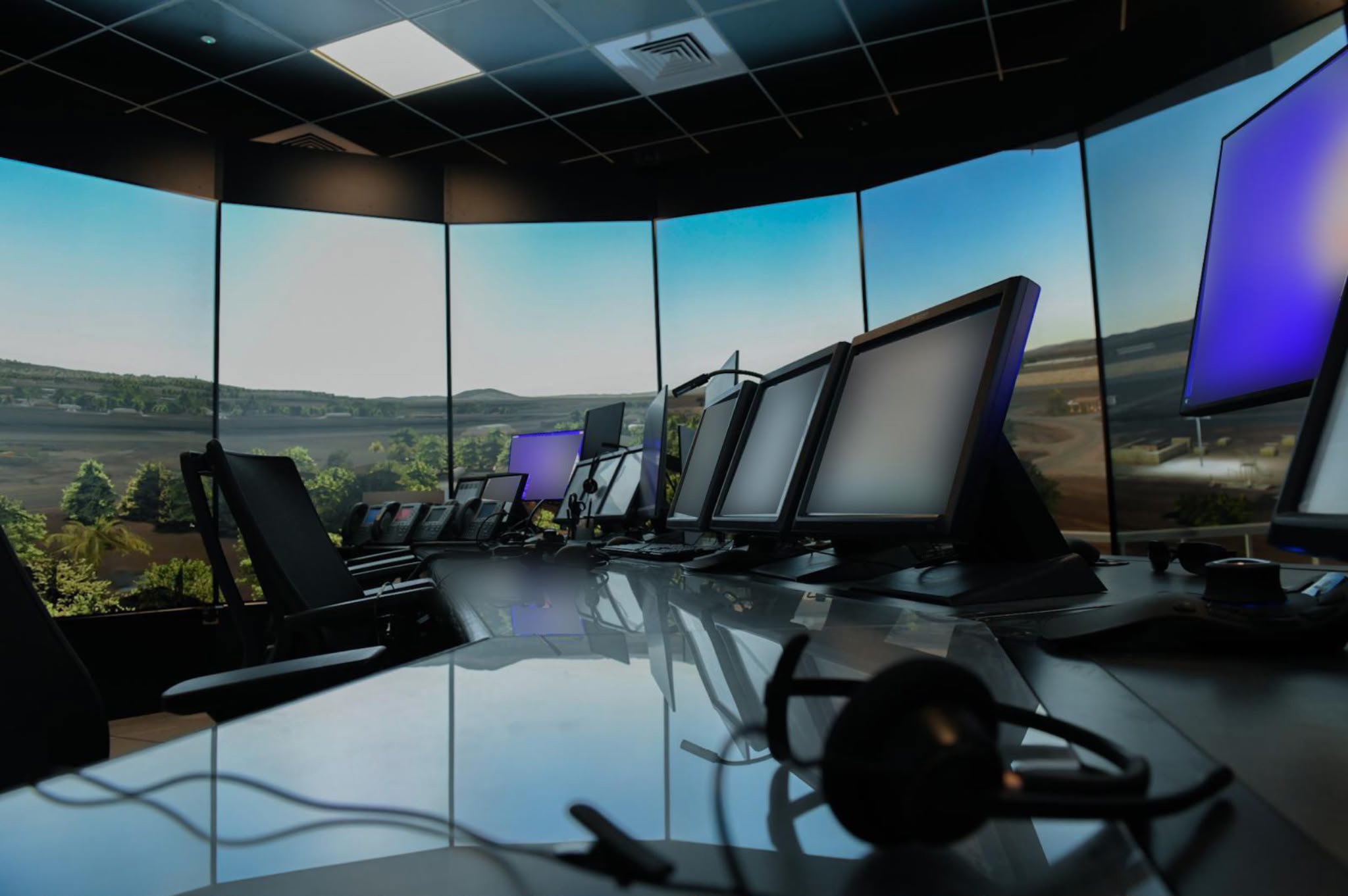
The simulator operates in two parts: the command room and the tower simulation room.
In the command room, several operators sit behind advanced computer terminals managing the entire exercise. They can instantly introduce a range of realistic challenges into every exercise at the click of a button, including:
- Changing weather conditions
- Simulating fuel shortages
- Creating pilot communication failures
- Triggering surprise rocket attacks
- Testing controller responses under pressure
Others give pilots clear instructions through complex conditions and seemingly unlikely scenarios.
In the tower room, the air traffic controller sits surrounded on all sides by massive, high-definition screens, as the room projects a render of various IAF bases. There, the controller must manage the complex chess game of moving aircraft, ground vehicles, takeoffs, and landings in real time. An additional instructor stands next to the traffic control, seeing and commenting on their decisions in real time.
The Global Language of the Skies
The simulator stands out for its use of the English language. The language of key commands given to pilots by ATCs is English, aligning IAF controllers with global aviation procedures, and crucially, with our American and other international partners during joint operations such as Roaring Lion.
Lessons Learned Since October 7
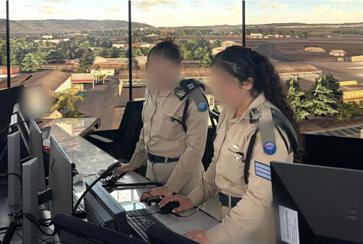
The simulator’s officer, First Lieutenant S., outlined the operational reality that the Air Force has adapted to face.
Following the October 7 Massacre, and with the goal of always being prepared on every front, the simulator was marked fully operational by March 2025. “We learned our lessons from October 7,” she said. “With this simulator, we go through every possible scenario. We constantly ask ourselves: ‘What could go wrong?’ and prepare for it.”
These simulators that train ‘worst case scenarios’ give the Air Force its operational edge and its reputation as one of the most advanced air forces in the world. Simulators of this nature help ensure that the IDF is always ready and prepared to protect its civilians.
